
Steps to Convert from Traditional to Seamless Sewing: A Step-by-Step Guide
Steps to Convert from Traditional to Seamless Sewing: A Step-by-Step Guide
In the modern garment industry, seamless sewing technology (seamless sewing) is becoming an inevitable trend thanks to its comfort, aesthetics and production efficiency. The conversion from traditional sewing to seamless is not only a technological step but also a strategy for businesses to increase product value and meet market demand. This article will guide in detail the steps to convert from traditional sewing to seamless , helping businesses optimize the process and gain a competitive advantage.
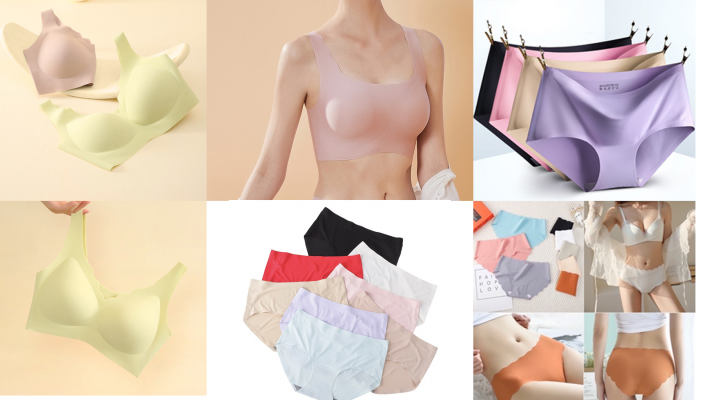
1. Understand Seamless Sewing Technology
Before starting the conversion, businesses need to understand what seamless sewing is and the benefits it brings. Seamless is an advanced knitting technique, using circular or flat knitting machines to create products without seams, bringing maximum comfort to the wearer. Key benefits include:
- Superior comfort : No seams, reducing skin irritation.
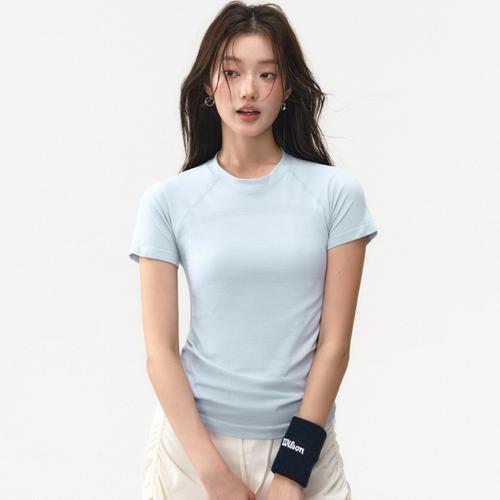
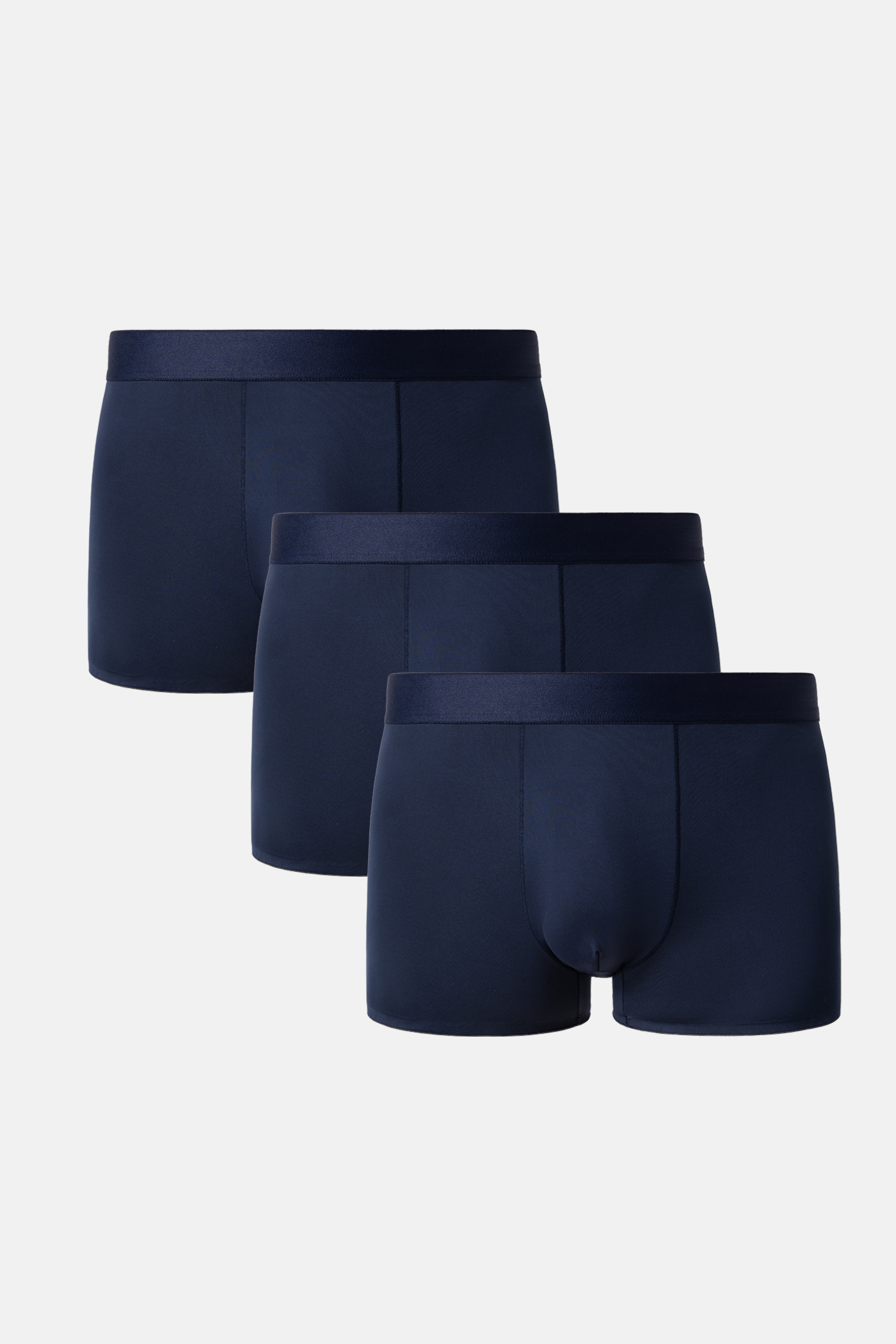
- High aesthetics : Seamless product, hugs the body, suitable for sportswear, underwear, and high-end clothing.
- Production efficiency : Reduces time and cost of traditional seaming.
Action : Organize internal training sessions or invite experts to introduce seamless technology, thereby helping the team understand its value and potential.
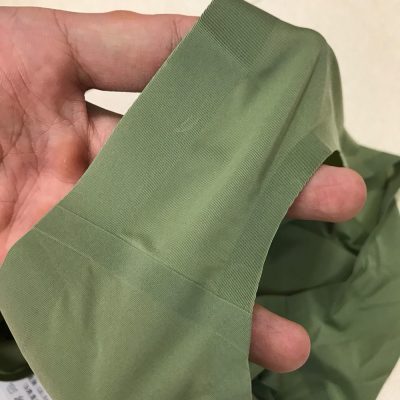
2. Assess Market Demand
Before investing in seamless technology, businesses need to conduct market research to determine demand. Questions to answer include:
- Target audience (sportswear, lingerie, or high-end apparel)?
- Do current consumer trends favor seamless products?
- How have competitors adopted seamless?
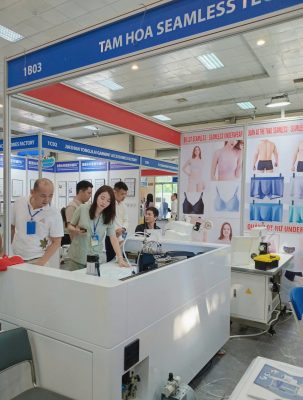
3. Invest in Machinery and Technology
Seamless technology requires specialized weaving machines such as Santoni circular looms or Stoll flat looms. This is a big investment, so businesses need:
- Choose the right machine : Depending on the type of product (shirts, pants, underwear), choose a machine with suitable features.
- Cost Calculation : In addition to the machine cost, consider the cost of maintenance, raw materials (specialized fibers), and design software.
- Supplier Cooperation : Work with reputable suppliers to ensure machine quality and technical support.
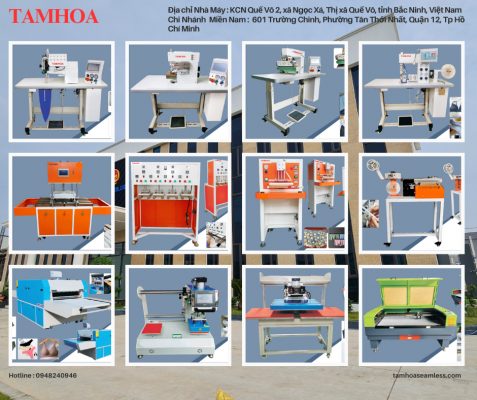
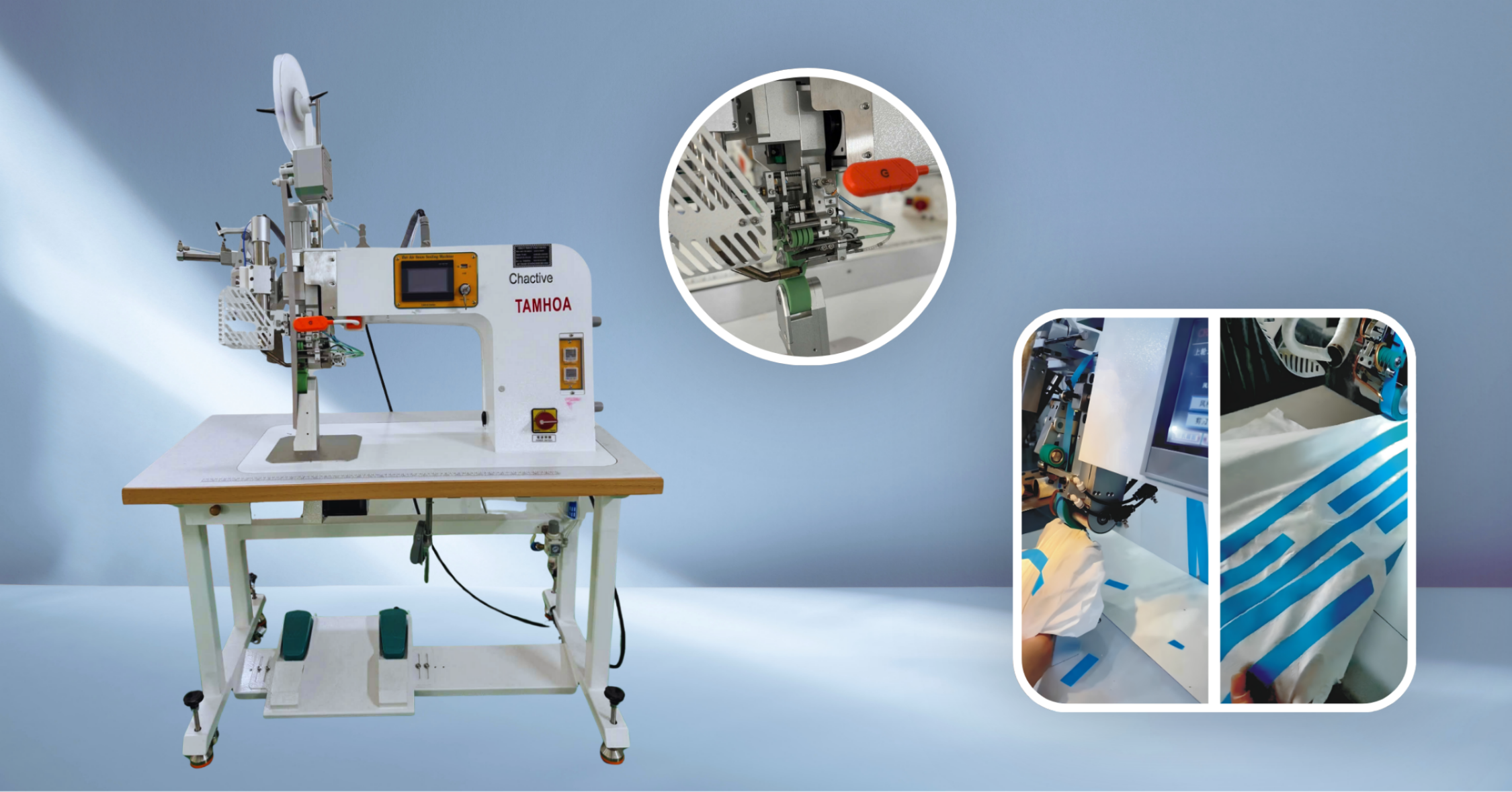
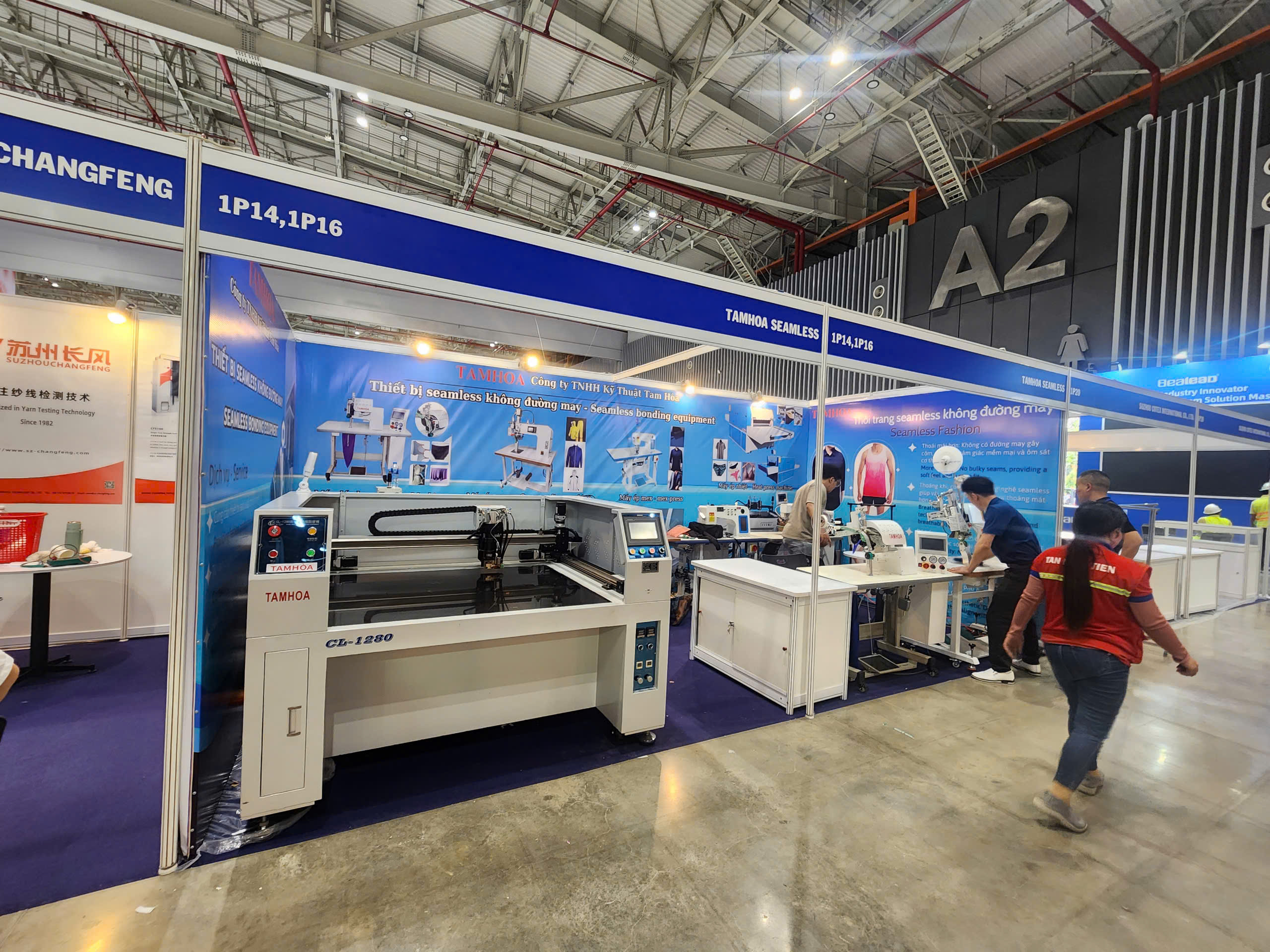
TAMHOA seamless fashion production equipment
4. Personnel Training
Converting to seamless requires staff with skills in operating machinery and designing new products. Training steps include:
- Machine operation technique : Staff need to be trained to use seamless weaving machine and related design software.
- Seamless product design : Train the design team to optimize products suitable for seamless technology, e.g. using stretch fibers and 3D prototyping.
- Quality Control : Train product inspection team to ensure no defects in production.
Action : Cooperate with training centers or machinery suppliers to organize specialized courses.
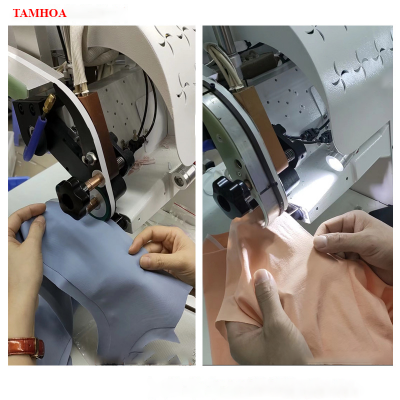
5. Adjusting Production Process
Seamless production process is different from traditional sewing, so businesses need:
- Supply Chain Optimization : Select high-quality fiber sources suitable for seamless technology (such as nylon, spandex, or polyester).
- Design software integration : Use software like Apex or CLO 3D to design seamless products directly on your computer.
- Process Automation : Leverage technology to minimize manual intervention, thereby increasing efficiency.
Seamless fashion production process
6. Product Testing and Optimization
Before mass production, businesses need to conduct tests:
- Prototyping : Create prototypes to test for stretch, durability, and comfort.
- Collect feedback : Get feedback from customers or test groups to improve the product.
- Design Optimization : Adjust based on feedback to ensure the product meets market needs.
7. Building a Marketing Strategy
To bring seamless products closer to customers, businesses need a thorough marketing strategy:
- Focus on benefits : Emphasize the comfort, aesthetics, and practicality of seamless products.
- Use digital channels : Leverage SEO, Google Ads, and social media to reach customers.
- Collaborate with KOLs : Work with influencers in the fashion or sports industry to promote products.
Conclude
Converting from traditional to seamless is a process that requires investment in time, finance, and resources. However, with the right strategy and careful preparation, businesses can take advantage of seamless technology to create high-quality products that meet the increasingly demanding needs of the market. By taking the above steps, from market research to production and marketing optimization, businesses will be ready to enter the new era of the garment industry.
Start your transformation journey today to lead the seamless fashion trend!